Material Handling Equipment Manufacturer in India for Major Industries
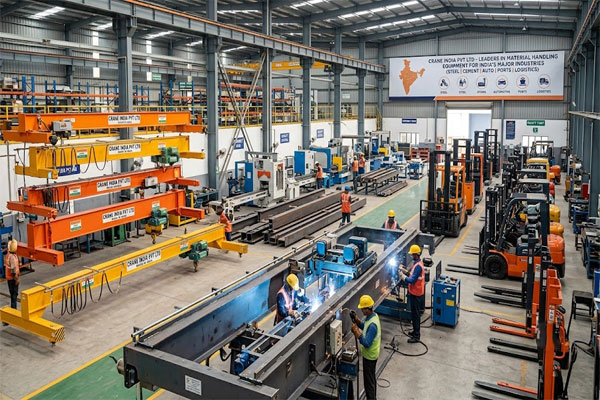
Efficient material movement is essential for the smooth operation of modern industrial plants. Industries need reliable systems to transport, lift, feed, store and process raw materials safely. Cement, steel, power, mining, chemical, food, pharmaceutical and infrastructure plants depend on specialized equipment to maintain continuous production.
Choosing an experienced Material Handling Equipment Manufacturer in India helps industries improve operational safety, reduce manual work and manage materials with greater accuracy. A dependable Bulk Material Handling Equipment Supplier can provide customized equipment based on material properties, plant capacity, process layout and operating conditions.
This guide explains the important equipment, applications, benefits and selection factors involved in industrial material handling systems.
What Is Material Handling Equipment
Material handling equipment includes machines and systems used to move, control, store and process materials within an industrial facility. These materials may include coal, cement, fly ash, limestone, grains, minerals, chemicals, biomass, pet coke and industrial powders.
The equipment can be designed for horizontal movement, vertical lifting, controlled feeding, storage or loading. A complete system may include conveyors, elevators, crushers, feeders, valves, screens and dust-control equipment.
The correct equipment helps maintain a consistent material flow between receiving, storage, processing, production and dispatch areas.
Common Types of Material Handling Equipment
A professional Material Handling Equipment Manufacturer in India may design and supply different machines according to the application.
Belt Conveyors
Belt conveyors are used for continuous horizontal or inclined material movement. They are commonly installed in cement plants, power plants, mining facilities, warehouses and bulk-loading areas.
Screw Conveyors
Screw conveyors move powders and granular materials through an enclosed trough or pipe. They are suitable for cement, ash, chemicals, food ingredients and fine industrial materials.
Bucket Elevators
Bucket elevators are designed for vertical lifting. They use buckets attached to a belt or chain to transfer materials between different plant levels.
Crushers
Industrial crushers reduce large materials into smaller and more manageable sizes. They are used for coal, limestone, minerals, pet coke, biomass and other solid materials.
Vibratory Screens
Vibratory screens separate materials according to particle size. They improve product consistency and remove unwanted oversized or undersized particles.
Rotary Airlock Valves
Rotary airlock valves control material discharge while limiting air leakage between two pressure zones. They are widely used in dust collectors and pneumatic conveying systems.
Role of Bulk Material Handling Systems
Bulk material handling systems are designed for large quantities of loose materials. These systems reduce dependence on manual labour and support continuous plant operations.
A reliable Bulk Material Handling Equipment Supplier studies material density, moisture level, particle size, abrasiveness, temperature and flow behaviour before selecting equipment.
For example, abrasive minerals may require wear-resistant liners, while fine powders may require enclosed conveyors and dust extraction. Sticky materials may need special chute angles, cleaning systems or suitable feeder designs.
This application-based approach improves performance and reduces equipment blockages, leakage and premature wear.
Industrial Applications Across India
Material handling equipment is used across industrial locations in Gujarat, Maharashtra, Rajasthan, Tamil Nadu, Karnataka, Madhya Pradesh, Chhattisgarh and other manufacturing regions of India.
Cement plants use conveyors, bucket elevators, crushers and dust collectors for limestone, clinker, gypsum and cement powder. Steel plants require heavy-duty equipment for coal, coke, iron ore, slag and additives.
Power plants use fuel handling systems for coal and biomass, along with ash handling systems for fly ash and bottom ash. Chemical and pharmaceutical units often require enclosed systems to prevent material contamination and dust exposure.
Food-processing facilities use hygienic conveyors, elevators and feeders for grains, flour, sugar, spices and other ingredients.
Benefits of Customized Material Handling Equipment
Every industrial plant has a different layout and production requirement. Standard equipment may not always fit the available space, material characteristics or required capacity.
Customized systems can provide:
- Consistent material flow
- Reduced manual handling
- Improved workplace safety
- Better dust and spillage control
- Lower material loss
- Efficient use of plant space
- Easier maintenance access
- Integration with existing machinery
- Support for automated operations
A qualified Material Handling Equipment Manufacturer in India can develop systems around existing buildings, process lines and production targets.
How to Select the Right Equipment Supplier
Selecting the correct Bulk Material Handling Equipment Supplier requires more than comparing equipment prices. Industrial buyers should assess engineering capability, manufacturing quality, customization support and after-sales service.
The supplier should understand the complete application, including required capacity, material type, transfer distance, elevation, operating hours and environmental conditions.
The equipment design should use suitable materials, drives, bearings, liners and safety systems. Buyers should also ask about installation support, spare parts availability, maintenance requirements and system testing.
A detailed technical discussion before manufacturing can prevent capacity problems, frequent breakdowns and unnecessary modifications after installation.
Importance of Safety and Dust Control
Material handling systems must be designed with worker safety and environmental control in mind. Moving equipment should include guards, emergency-stop arrangements and safe maintenance access.
Dust-producing materials may require enclosed conveyors, covered transfer points, dust collectors or bag filters. Proper chute design and sealing can reduce material leakage and improve housekeeping.
Regular inspection of belts, chains, bearings, motors and structural components also helps prevent unexpected failures.
Conclusion
The right material handling system can improve productivity, safety and material-flow control across an industrial plant. Conveyors, bucket elevators, crushers, screens, feeders and airlock valves must be selected according to the material and process requirements.
Working with an experienced Material Handling Equipment Manufacturer in India allows industries to receive equipment suited to their plant layout, capacity and operating environment. A capable Bulk Material Handling Equipment Supplier can also provide integrated solutions for transporting, feeding, lifting, processing and controlling bulk materials.
Before finalizing equipment, industries should evaluate technical design, manufacturing quality, customization options, safety features and long-term service support.
Frequently Asked Questions
A manufacturer provides conveyors, bucket elevators, crushers, feeders, screens, valves and customized systems for moving and processing industrial bulk materials.
Cement, steel, mining, power, chemical, food, pharmaceutical, fertilizer and infrastructure industries commonly use bulk material handling equipment.
Check the manufacturer’s engineering experience, customization capability, equipment quality, application knowledge, installation support, maintenance guidance and spare-parts availability.
Bulk handling systems can manage coal, cement, ash, limestone, minerals, grains, chemicals, biomass, pet coke, clinker and industrial powders.
Yes, equipment can be customized according to plant layout, material characteristics, required capacity, transfer distance, operating temperature and available installation space.
Ask about system capacity, construction material, power requirements, safety features, dust control, installation, warranty, maintenance and replacement parts.
Yes, manufacturers and suppliers can serve industrial plants across Ahmedabad, Gujarat, Maharashtra, Rajasthan, Tamil Nadu, Karnataka and other regions of India.