Engineered bulk material handling

Industrial Belt Conveyors Built Around Your Plant

Forderin Reich Pvt. Ltd. is a belt conveyor manufacturer and supplier in Ahmedabad, Gujarat. We design systems around your material, required capacity, transfer distance and available plant space.

Discuss your coal handling, cement raw material or bulk transfer requirement with our team. Share the operating conditions and plant layout to request a customized conveyor quotation.

Coal and minerals – Cement raw materials – Industrial plant transfer
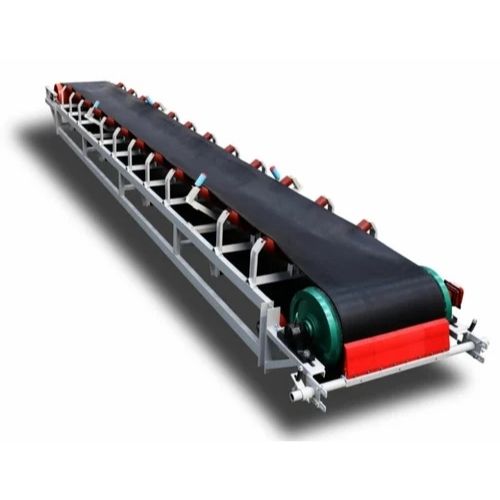
Forderin Reich / Belt Conveyor System

Bulk Material Handling Belt Conveyor Supplier

Conveyor configuration shown for reference. The final specification is selected for your material and plant requirements.

Designed for the duty

Heavy Duty Belt Conveyors for Industrial Material Handling

A heavy duty belt conveyor is used when the conveying duty involves abrasive materials, loading impact, substantial loads or extended operating hours. Conveyor selection considers these conditions together with the required throughput.

Forderin Reich reviews material properties, the conveyor route and installation requirements before defining the belt, drive and supporting structure. For an existing plant, include details of belt wear, spillage or blockages in your enquiry.

The same TPH can need a different design. Two conveyors moving the same tonnes per hour may need different belts and drives because their materials, elevations and operating conditions differ.

Application-led selection

Belt Conveyor Systems for Coal, Cement and Bulk Materials

Start with the material being conveyed and the equipment at each end of the route. These details help define the loading arrangement, belt suitability and discharge position.

Fuel handling

Coal Handling Belt Conveyor Systems

Transfer coal between receiving hoppers, crushers, screens and bunkers. Selection considers coal size, moisture, required feed rate, loading impact and transfer-point dust.

Plan the interfaces: feeding equipment, crusher discharge, bunker entry and plant controls.

View fuel handling systems

Cement processing

Cement Plant Belt Conveyors

Move limestone, gypsum and crushed raw feed between selected plant stages. Abrasion, material size, loading impact and dust containment influence the conveyor specification.

Check hot material: clinker temperature and belt suitability must be reviewed before selection.

View cement industry applications

Minerals and aggregates

Bulk Material Handling Belt Conveyors

Convey crushed stone and processed mineral materials along the required plant route. Bulk density, maximum lump size, impact and daily operating hours help define the handling duty.

Include in your enquiry: material condition, normal and peak capacity, transfer distance and elevation.

Plant-specific transfer

Customized Belt Conveyor Systems

Plan material movement between storage, feeding and processing equipment. The arrangement is developed around the loading point, receiving equipment, available space and maintenance access.

Start with a layout: mark the loading point, discharge point and any access restrictions.

Very fine, dusty, sticky or hot materials need an application review before the conveying method, belt specification and containment arrangement are agreed.

Prepare a useful requirement

Belt Conveyor Selection Guide for Your Plant

A customized belt conveyor starts with a defined material route and operating duty. Share the following details so that the system can be reviewed against actual plant conditions.

Information required for belt conveyor selection and quotation
Selection detail Information to share Why it matters
Material characteristics Material name, bulk density and maximum lump size Defines the carrying arrangement and loading conditions.
Operating condition Moisture, temperature and abrasive or sticky behavior Affects belt suitability, wear protection and cleaning.
Required capacity Normal and peak capacity in tonnes per hour, or TPH Establishes the conveying duty and peak loading requirement.
Conveyor route Length, elevation difference and available space Influences the layout, drive and supporting structure.
Transfer points Loading method, drop height and receiving equipment Helps plan impact control, sealing and discharge.
Operating hours Daily running hours and start-stop frequency Helps define the duty cycle and component selection.
Controls and supply Electrical supply and required control interfaces Defines operation alongside other plant equipment.
Site conditions Indoor or outdoor location, access and surrounding equipment Helps plan protection, installation and maintenance access.

At an early project stage, send the available material details and a layout sketch. Final dimensions and performance specifications follow application review.

The complete conveyor arrangement

Belt Conveyor Components and Material Flow Control

The belt, drive, loading zone and discharge arrangement need to work together. Confirm the following equipment and provisions in the project specification.

01 / CARRYING

Belt and Support

The belt and carrying support are selected for the material, load and operating conditions.

02 / MOVEMENT

Drive and Tensioning

The drive and tensioning arrangement consider conveyor length, elevation and starting duty.

03 / FEEDING

Loading Zone

Loading impact, centered feeding, sealing and containment are reviewed at the transfer point.

04 / DISCHARGE

Discharge and Cleaning

Material release and carryback, the material remaining on the return belt, inform the cleaning arrangement.

05 / ACCESS

Guarding and Protection

Guarding, emergency stops, maintenance access and required monitoring are specified for the project.

06 / CONTAINMENT

Dust and Wear Protection

Review transfer-point containment, wear liners and dust-control interfaces for the material being handled.

A quotation based on the duty

What Affects Belt Conveyor Price?

Belt conveyor price depends on the equipment specification and the work included in the order. Conveyor length alone does not provide a reliable basis for comparing offers.

Material properties, required TPH, belt width, elevation, drive selection and supporting steel influence the quotation. Chutes, wear liners, controls, access platforms and dust containment can also affect the cost when included.

Send the material details and plant layout to request a quotation for the proposed conveyor configuration.

Compare the Same Supply Scope

Ask each supplier to identify what the quoted price covers.

  • Belt, drive, pulleys and carrying equipment
  • Supporting steel, chutes and access provisions
  • Electrical controls and required protection
  • Wear liners, cleaning and dust containment
  • Freight, installation, commissioning support and taxes

Connected plant requirements

Belt Conveyor Project Support from Forderin Reich

Forderin Reich manufactures belt conveyors, screw conveyors, bucket elevators, crushers and fuel handling systems. The conveyor requirement can be reviewed alongside the equipment feeding and receiving the material.

Our team provides application review, installation guidance and after-sales support. Confirm drawings, site responsibilities, inspection requirements and support arrangements in the agreed project scope.

Belt Conveyor Supply in Gujarat

We serve industrial requirements in Ahmedabad and across Gujarat, including enquiries for plants in Vatva, Naroda, Odhav, Changodar and Sanand, along with projects elsewhere in India.

Include your receiving plant location, site access and unloading arrangements in the enquiry.

Questions before ordering

Frequently Asked Questions About Belt Conveyors

Use these answers to prepare a clearer requirement and compare conveyor quotations.

A conveyor belt is the moving belt component. A belt conveyor is the complete machine, including the belt, drive, pulleys, supporting structure and other specified equipment. State whether your enquiry is for replacement belting or a complete system.

Share the material name, bulk density, lump size, moisture, temperature and required TPH. Include conveyor length, elevation difference, loading and discharge points, operating hours and plant location. A layout drawing helps define the requirement.

Belt conveyors can be designed for coal and limestone. Material size, loading impact, abrasion, required capacity and dust conditions must be reviewed before the belt and conveyor arrangement are selected.

Inclined conveying is possible when the material and conveyor design are suitable. The workable angle depends on material behavior, belt surface and operating conditions. Share the required lift and available horizontal distance for review.

Capacity and width must be selected together with belt speed, bulk density, material size and loading arrangement. Provide the required normal and peak TPH so that the conveyor can be sized for the intended duty.

Review loading alignment, transfer height, belt support, sealing and discharge design. Belt cleaning and suitable containment can help manage escaped material. The required measures depend on the material and transfer-point conditions.

The quotation should identify the included equipment and services. Confirm supporting steel, chutes, electrical controls, freight, installation and commissioning responsibilities before placing an order.

Yes. Forderin Reich supplies industrial material handling equipment across Gujarat and India. Share your plant location and required delivery schedule to discuss the project and supply arrangements.

Plan your next conveyor

Request a Belt Conveyor Quotation

Send your material details, required TPH, conveyor length, elevation and plant location. Include a layout drawing or site photos if available, plus any current handling problems you want the new system to address.